


MENUMENU


Book your FREE
design service
design service
Simon de Senlis Primary School in Northampton, sought to transform its’ traditional classroom spaces into flexible, dynamic learning environments that could adapt to the evolving educational needs of its students. The school recognized the importance of modern, adaptable learning spaces to encourage collaboration, creativity, and the development of independent learning skills. Zioxi, a leading provider of educational furniture and technology solutions, was chosen to partner with the school in this exciting venture.
The primary challenge was to create a classroom environment that could accommodate different teaching styles, cater to various group sizes, and provide students with the flexibility to engage in diverse learning activities. Simon de Senlis wanted spaces that were easy to reconfigure for group work, independent study, and whole-class teaching. Additionally, the furniture needed to be durable, ergonomic, and integrate seamlessly with technology to support digital learning.
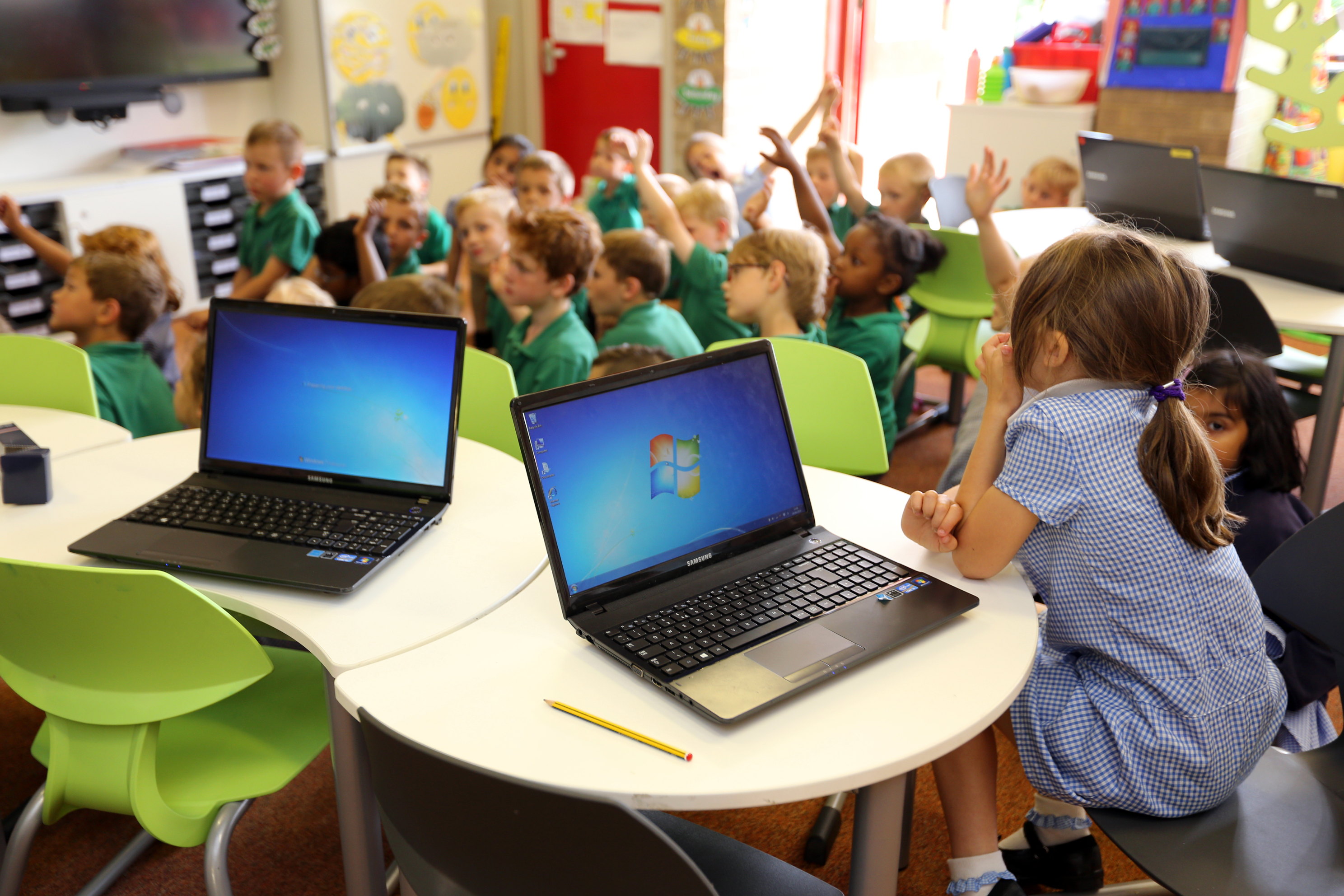
Zioxi’s modular furniture allowed the classrooms to be quickly reconfigured to suit different activities. Their flexible tables and chairs were designed to be easily moved and arranged into a variety of layouts. For example, round tables for collaborative group work, rows for traditional lessons, or a circle layout for whole-class discussions. The furniture was lightweight but sturdy, making it easy for both teachers and students to adjust the environment to their needs.
Zioxi’s innovative approach to classroom furniture provided Simon de Senlis Primary School with a flexible, future-proof solution that aligned with the school’s educational goals.
“The desks are configured so that the children can work in groups or individually if they want some quiet time. The children move the desks themselves and even take them outside when the weather is nice! ” – Joanne Fennelly, Deputy Headteacher and Year 1 Teacher
“Collaborative learning has also improved as a result of the furniture as there is much more space to move around meaning that the children are more likely to move between the tables and work together. “ – Wendy Souter, Year 2 Teacher




Installation of Zioxi M1 Music Desks in the Classroom for a brand-new music technology classroom at The Ashley School in Lowestoft, Suffolk.

The furniture in each classroom is the same, but they all look and feel completely different because the teachers and students can rearrange the furniture to best suit the teaching activity taking place.